
Do you know what actually happens during elephant riding experiences, circus performances, and photo sessions in Thailand? While most tourists tend to imagine the greatest experience when considering a holiday destination, none of them actually think of the welfare of the animals involved. Volunteer with elephants in Thailand program and help make a difference in their lives, and contribute to the future existence of those animals.
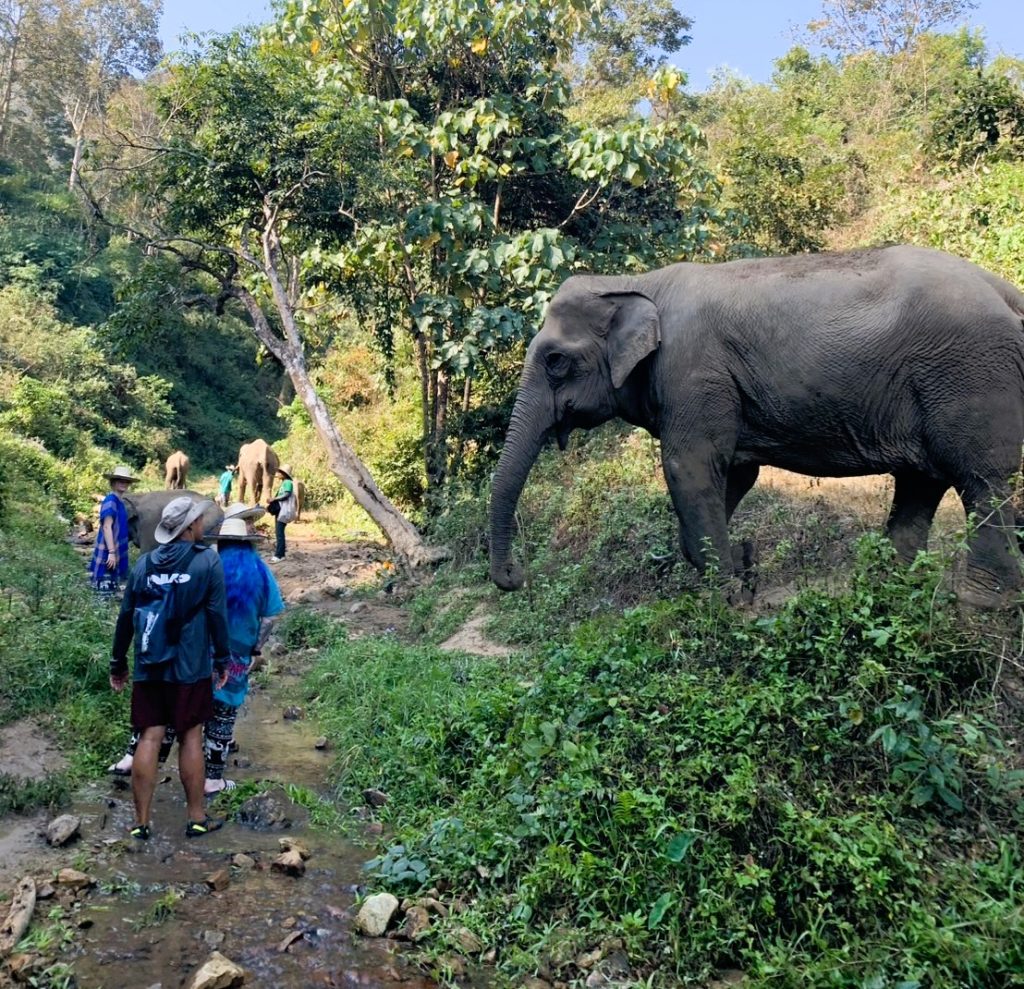
As a result of increased tourism, the problem of elephants' welfare has become an important one in Thailand and largely hinges on tourist decision-making.
The Reality of Elephant Tourism
Thailand has long been associated with elephants; however, not all elephant attractions prioritise the well-being of the animals. Elephants in certain tourist attractions can be subjected to the following conditions:
● Long working hours
● Unfavourable living conditions
● Strict training regimes
● A lack of space to act normally
● Constant stress due to human presence
Most elephants involved in performing have undergone strict training from an early age. This is the reason behind the need for tourists to investigate attractions before attending. Ethical tourism begins with awareness.
Impact of Ethical Sanctuaries on Elephant Welfare
There are many establishments in Thailand today that concentrate on the rehabilitation and ethical treatment of elephants. The responsible volunteer elephant sanctuary Thailand will let you see the animals without making them perform.
The typical characteristics of an ethical sanctuary include:
● No riding on elephants
● No performance or tricks
● A focus on rescuing and rehabilitation
● Education for visitors about conservation
In such sanctuaries, elephants have a higher quality of life, while visitors learn about the conservation efforts.
Why Travellers Are Important for the Cause
Every purchase of tickets shows what type of tourism visitors are interested in. With ethical choices, tour operators are encouraged to take up a commitment when it comes to animal welfare. When more people decide to become volunteers with elephants in Thailand, it will help to make changes last in the industry.
Additionally, tourists can assist through:
● Sharing ethically minded tourism knowledge on the Internet
● Encouraging their friends to select responsible tours
● Helping out the local communities associated with conservation
● Understanding the needs of the elephants
The Emotional Connection Experienced by Many Visitors
Seeing elephants walking freely, socialising, and interacting with each other in peace may be even more enjoyable than watching their shows. Visitors who get a chance to volunteer with elephants in Thailand usually find their experience very personal and enlightening.
They are no longer just tourists photographing elephants; instead, they have learned more about conservation and travelling responsibly and empathetically.
Conclusion
Responsible choice of elephant tour providers may contribute towards the growth of kindness, educational, and sustainable tourism in Thailand. As awareness rises, so does the number of sanctuaries that provide rehabilitation for elephants instead of using them for tourists' amusement.
An experience gained from visiting a volunteer elephant sanctuary Thailand would provide unique memories as well as a good chance to help make this world a better place for elephants.