
Skin problems are generally caused by altered lifestyles, stress, and environmental exposure. Thus, consultation with a dermatologist Harrow enables the patient to grasp the nature of the problem and the appropriate treatment measures. Early consultation facilitates effective management of skin problems by evaluating the problem, providing guidance, and taking precautionary measures. Moreover, specialists assess visible skin problems and recommend appropriate skin care practices.
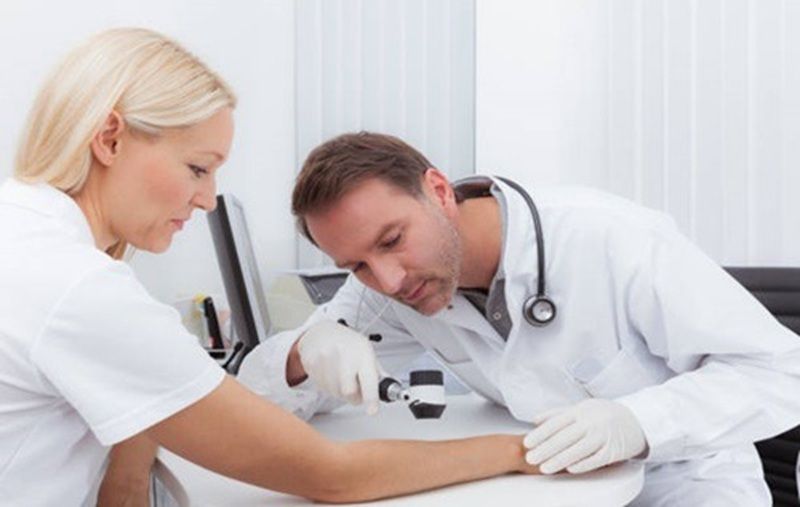
Medical History and Skin Concerns Discussion
In a discussion with a skin specialist, the process starts with a conversation about symptoms, skincare routine, and medical history. Furthermore, dermatologists consider past treatment plans and then recommend appropriate courses of action.
● Discussion About Existing Skin Conditions
In the consultation, the dermatologist addresses issues such as acne scarring, rashes, redness, or even seasonal outbreaks. Additionally, the consultation is beneficial to detect patterns influencing skin health. Moreover, patients describe their symptoms, which do not disappear even after attempts to treat the skin condition.
● Review of Previous Treatments and Products
Normally, patients mention creams, medications, or skincare agents used before. Further, medical experts evaluate the skin reaction to certain skincare products. It will be safe and appropriate advice on skincare treatment in the future.
● Lifestyle and Prevention Guidance
Daily activities can influence the skin’s moisture levels, irritability, and even its overall health status to a great extent. For that reason, experts recommend the proper behaviour for improving skin condition and preventing various disorders. Moreover, patients get guidance on how to care for their skin and recover.
What Happens During a Full Skin Examination
Skin examinations help specialists determine any visible issues and also the general skin conditions effectively. Moreover, they consider any skin irritation, scarring from acne, inflammation, swelling, and skin texture prior to recommending appropriate treatment options. There are also times when consultations cover treatment for acne, chemical peeling, and microdermabrasion treatments. In addition, they provide information on recovery, skin care precautions, and expected treatment duration based on skin problems. In this way, patients can also get insights into skin care and preventive measures effectively.
Understanding Your Diagnosis, Treatment Plan, and Follow-Up Care
Following the examination, the specialists provide clear explanations of their results, along with options for treatment and recovery periods. In addition, patients are advised on skincare maintenance, follow-ups, and ways to prevent future problems.
● Explanation of Diagnosis and Skin Findings
The specialist describes the visible findings on the skin after completing the examination and consultation. Furthermore, patients become knowledgeable about any causes of their irritations, allergic reactions, or issues related to acne. It also helps to make informed decisions about future treatment options.
● Treatment Recommendations and Recovery Expectations
Treatment advice may be in the form of topical drugs, skin care products, or dermatology techniques. As such, experts provide recovery estimates based on the method of treatment and the severity of the condition. This can also discuss lipoma removal cost London among other issues.
● Skincare Advice and Prevention Support
Specialists offer advice on maintaining healthy skin after consultations about treatments. Additionally, they suggest the use of prescription or natural skincare products based on skin issues. This will aid in effective treatment and ensure that no skin diseases recur.
● Importance of Follow-Up Appointments
Follow-up appointments allow dermatologists to assess improvement and modify skin care recommendations as necessary. Furthermore, regular assessment ensures effective healing and skin care. In addition, several individuals also seek a dermatologist Harrowfor further advice on preventing and managing conditions.
The initial dermatological visit will involve examination, knowledge of skin care, and appropriate treatment. In addition, dermatologists provide patients with recovery information and encourage good skin care practices. Moreover, regular visits help patients manage their health better with preventive advice and monitoring.